Common Mistakes in English to German Translation
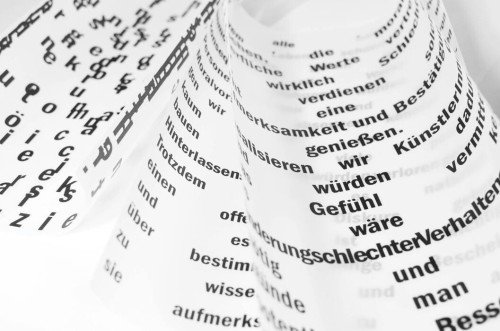
Translating content from English into German is far more complex than swapping words between two languages. German has its own grammar rules, sentence structures, cultural nuances, and regional variations that can easily trip up even experienced translators. When these factors are overlooked, the result is awkward, confusing, or even misleading copy that damages user trust and undermines your brand. For businesses expanding into German-speaking markets, preventing these mistakes is crucial not only for readability but also for visibility in search results and overall marketing success.
1. Ignoring Cultural Context and Local Expectations
One of the most common pitfalls is treating translation as a purely linguistic task and forgetting cultural context. English marketing copy often relies on humor, wordplay, or cultural references that do not resonate with German-speaking audiences. Direct translations of idioms, slogans, or jokes can sound strange or even offensive. German readers usually expect more precise information, clearer claims, and less exaggerated promises than typical English promotional language.
To avoid this, focus on localization rather than word-for-word translation. Adapt examples, measurements, currency, forms of address, and even product names if necessary. What matters most is how the message is received in Austria, Germany, or Switzerland, not how closely it mirrors the English original.
2. Overusing Machine Translation Without Human Review
Automated translation tools have improved, but they still struggle with context, tone, and brand voice. Machine output often mishandles gendered nouns, complex sentences, and industry-specific terminology in German. Relying solely on automation can introduce embarrassing errors that damage credibility and lead to misunderstandings in legal, medical, technical, or financial content.
A better strategy is to use automation only as a starting point, followed by professional editing and proofreading by native German speakers familiar with your sector. This hybrid approach can save time while ensuring quality and consistency across all pages, product descriptions, and marketing assets. When expanding internationally and aiming for strong online visibility, combining skilled human translators with multilingual SEO services helps your content rank well and read naturally at the same time.
3. Misusing Formal and Informal Forms of Address
English uses “you” for almost every situation, but German distinguishes between the formal “Sie” and informal “du.” Choosing the wrong form can make your copy sound rude, overly distant, or unprofessional. An e‑commerce website selling youth fashion might prefer “du” to appear friendly and relatable, while a B2B software provider, law firm, or financial institution will usually stick to “Sie.”
Consistency is equally important. Switching between “du” and “Sie” within a single website or email sequence confuses users and weakens the brand message. Before translating, define a clear style guide for tone, pronouns, and levels of formality, and ensure every translator follows it.
4. Literal Word Order and Awkward Sentence Structure
English and German sentence structures differ significantly. German often places verbs at the end of subordinate clauses and uses more complex compound structures. Translating English sentences word-for-word leads to unnatural, stilted German that feels like a foreign language even to native speakers.
Good translators restructure sentences to follow natural German rhythms. They may split overly long English sentences or merge short ones to improve flow. This is especially important for website copy and user interfaces, where clarity and simplicity directly impact user experience and conversion rates.
5. Incorrect Capitalization and Noun Usage
In German, all nouns are capitalized, while many English words that look similar remain in lower case. Automated tools and non-native translators often miss these differences, creating a text that looks sloppy or unprofessional. Additionally, German compounds nouns extensively, and incorrectly splitting or hyphenating them can change the meaning or make them harder to read.
Paying attention to capitalization, declensions, and correct plural forms is essential, especially in product categories, headings, and menu labels. These visible elements often shape first impressions and affect click behavior on search results and landing pages.
6. Neglecting Industry-Specific Terminology
Whether you work in technology, healthcare, legal services, or e‑commerce, your sector likely uses specialized vocabulary. Direct English-to-German translations often miss subtle meanings or use terms that sound outdated or incorrect to professionals in the field. Inconsistent terminology across pages also confuses readers and weakens your brand’s authority.
The solution is to use online translation services, create a terminology glossary and translation memory for your projects. This ensures that core phrases, product names, and technical terms are translated the same way every time. Professional translators with expertise in your niche can help you select terminology that matches how German-speaking specialists and customers actually talk.
7. Overlooking German-Specific Punctuation and Quotation Rules
Punctuation conventions differ more than many people realize. German uses different quotation marks (often „…“ or »…«), comma rules, and spacing for numbers and dates. Incorrect commas can make sentences difficult to parse and sometimes alter their meaning. English-style punctuation sprinkled through German text gives readers the impression that the content is foreign or hastily prepared.
Careful editing by native speakers is crucial here. Correct punctuation not only improves readability but also aligns with users’ expectations, which is vital when you want visitors to trust your information enough to sign up, purchase, or contact your company.
8. Not Adapting Keywords and Search Intent
Directly translating English keywords into German often fails because users search differently in each language. They may prefer other terms, structures, or question forms. This mismatch leads to beautifully translated pages that attract very little organic traffic because they do not reflect actual search behavior in German-speaking countries.
Effective keyword research for German markets should be done from scratch, analyzing local competitors, search volumes, and user intent. For instance, English users might search for “cheap flights,” while German speakers might favor “günstige Flüge” or “Billigflüge,” depending on context. Aligning your content with real queries ensures your investment in translation also supports visibility and conversions.
9. Forgetting Legal and Regulatory Nuances
Many regions in the German-speaking world have strict rules regarding consumer protection, privacy, disclaimers, and labeling. Direct translations of English legal pages, terms of use, or privacy policies often omit country-specific requirements. This can lead to non-compliance, fines, or reputational risks.
When translating contractual or regulatory content, involve native-speaking legal professionals or translators with specialized legal training. They will adapt wording to the relevant national frameworks and ensure your documents are not only understandable but also enforceable.
10. Treating Translation as a One-Time Task
Many companies view translation as something to tick off a checklist when launching a new market. In reality, websites, apps, and marketing campaigns evolve constantly. Products change, new features are added, and offers are updated. When the English content grows and the German version is not maintained, the two quickly fall out of sync.
An ongoing process for updates, quality checks, and performance monitoring is essential. Track which German pages perform well, what users search for, and where they drop off. Continuous improvement, supported by professional linguists and SEO specialists, ensures that your German presence remains accurate, persuasive, and competitive.
Investing in Quality for Real Results
Avoiding these frequent translation mistakes requires more than just language skills. It demands cultural insight, technical understanding, and careful attention to how German-speaking audiences read, search, and make decisions online. By prioritizing localized messaging, consistent terminology, and native-level quality control, you create content that not only sounds natural but also builds trust and drives conversions.
As you expand into German-speaking markets, view translation as a strategic investment rather than a cost to minimize. Collaborating with experienced professionals and aligning your content with user intent will help your brand stand out, communicate clearly, and grow sustainably across borders.